What if your morning walk was a sandy beachfront stroll with ferries gliding by and skyline views across the bay? If you’re curious about life near the water in West Seattle, you’re not alone. From boardwalk bikes to evening sunsets, waterfront living here blends natural beauty with real daily rhythms. This guide covers the beaches, housing feel, commuting options, seasonal crowds, recreation, and the practical rules that shape life right on the shore. Let’s dive in.
Waterfront neighborhoods at a glance
When most people picture West Seattle’s shoreline, they think of Alki Beach Park: a long sandy strip with a paved path for walkers, runners, and casual cyclists, plus picnic spots, restrooms, and seasonal fire pits. It’s lively on sunny weekends and mellow on cool mornings, and there are hand-carry launch points for kayaks and SUPs along the promenade. You can get the full amenity list on the official page for Alki Beach Park.
Head south for a different feel at Lincoln Park. Here, forested bluff trails look out over rocky shoreline and a mile of seawall, and the seasonal Colman Pool offers a heated saltwater swim with views. It’s a quieter, woodsy alternative to the beach boardwalk scene.
In between are green pockets and viewpoints like Schmitz Preserve, Emma Schmitz Memorial Overlook, Don Armeni, and Seacrest. These spots add old-growth forest walking, tidepool vantage points, and skyline overlooks to your weekly routine without leaving the peninsula.
Homes near the shoreline: what you’ll see
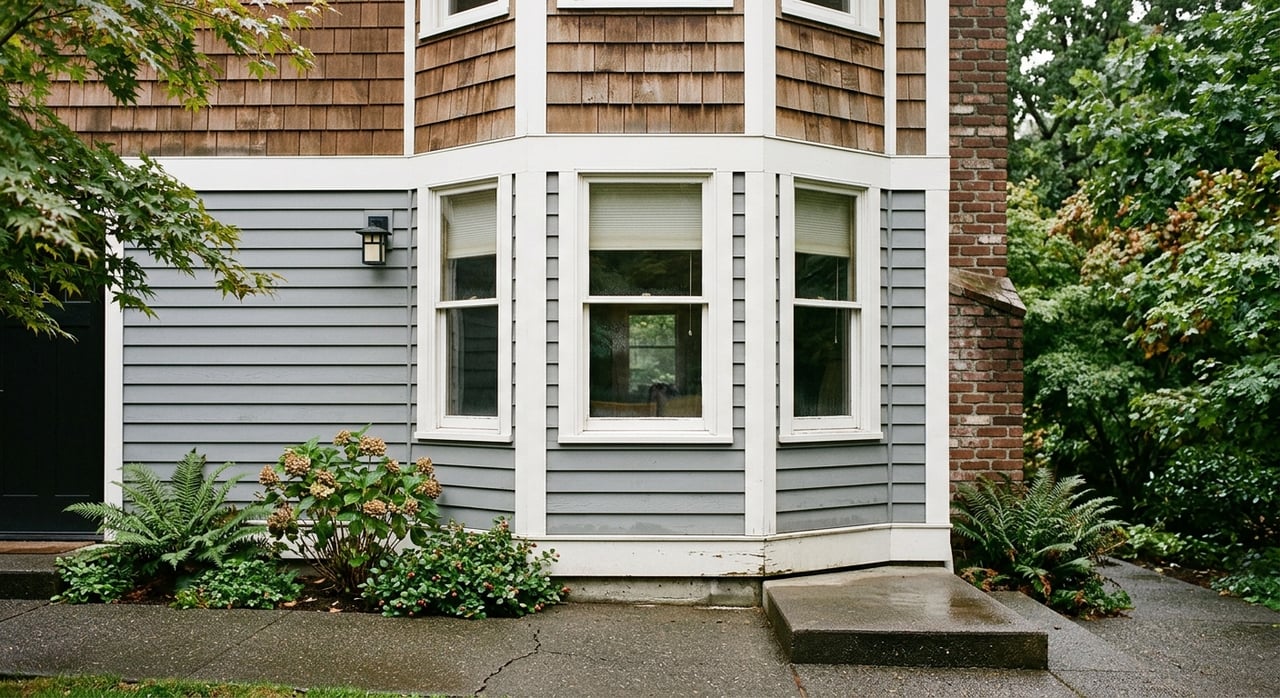
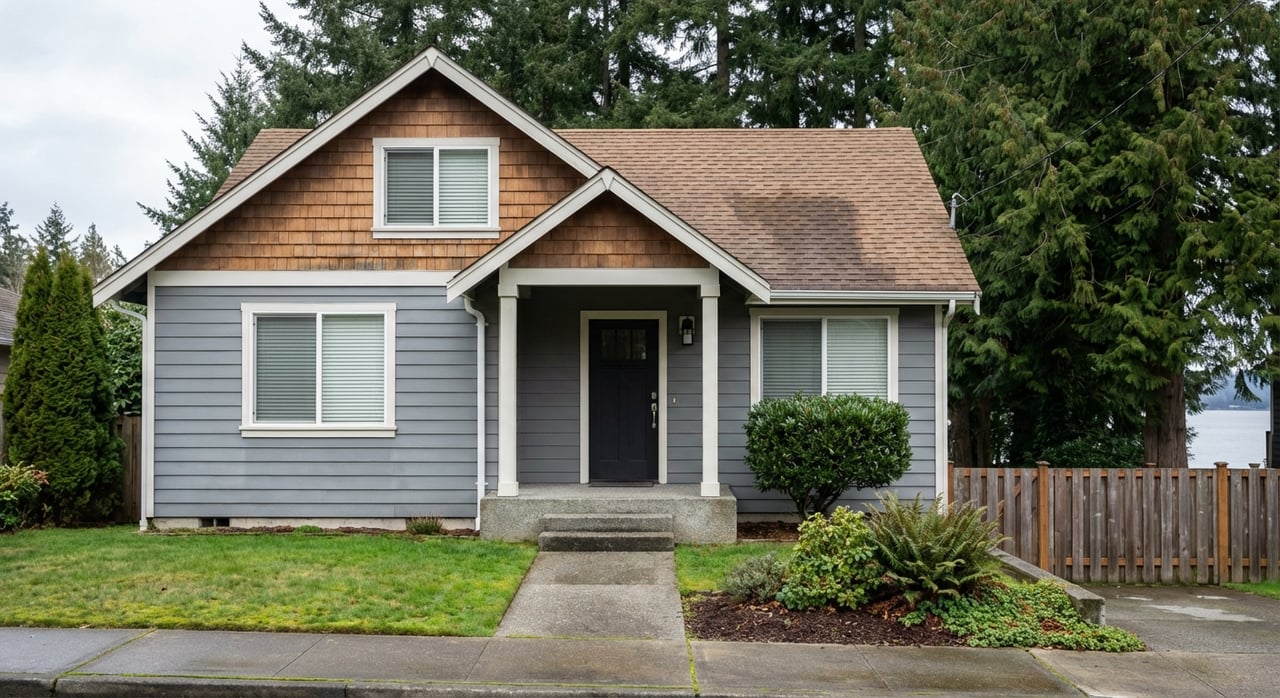
Near Alki, you’ll notice a mix: low-rise waterfront condos, beach cottages perched by bulkheads, and renovated bungalows a block or two back. A few minutes uphill, North Admiral centers around a compact commercial core with many Craftsman-era homes and Tudors, often described as West Seattle’s historic village hub. For local color on that context, the Seattle Times offers a profile of North Admiral’s historic heart.
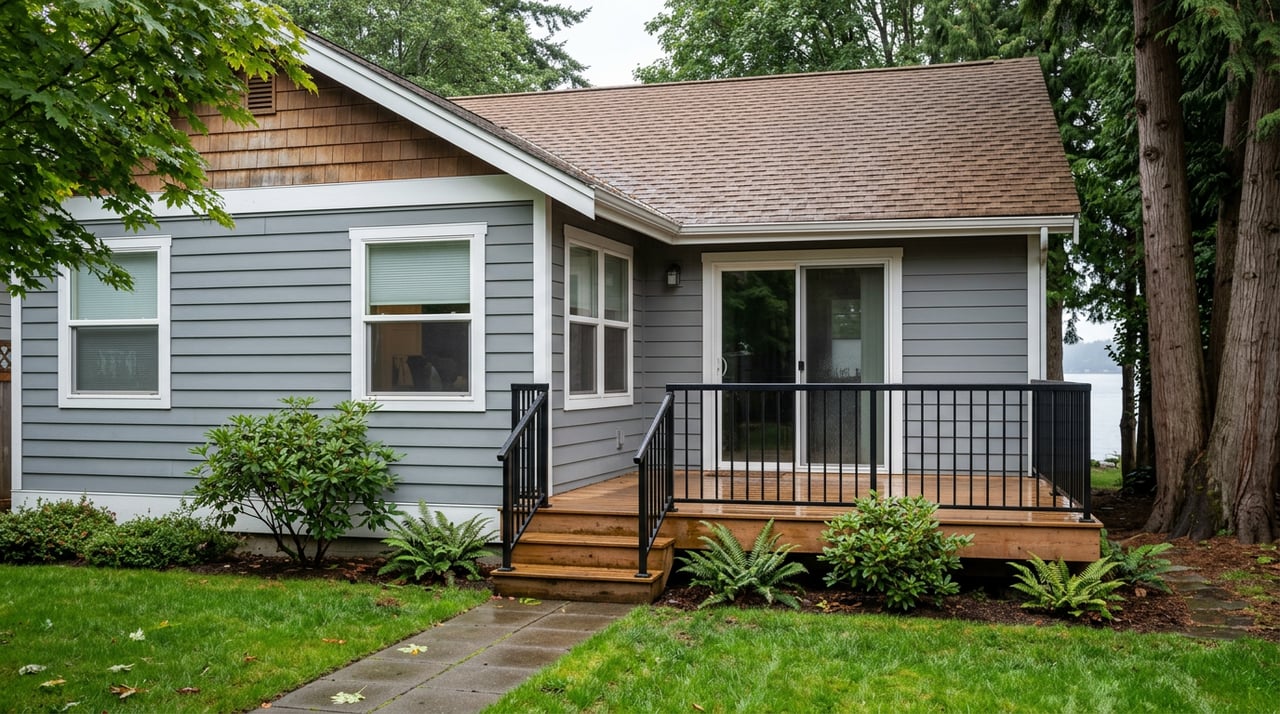
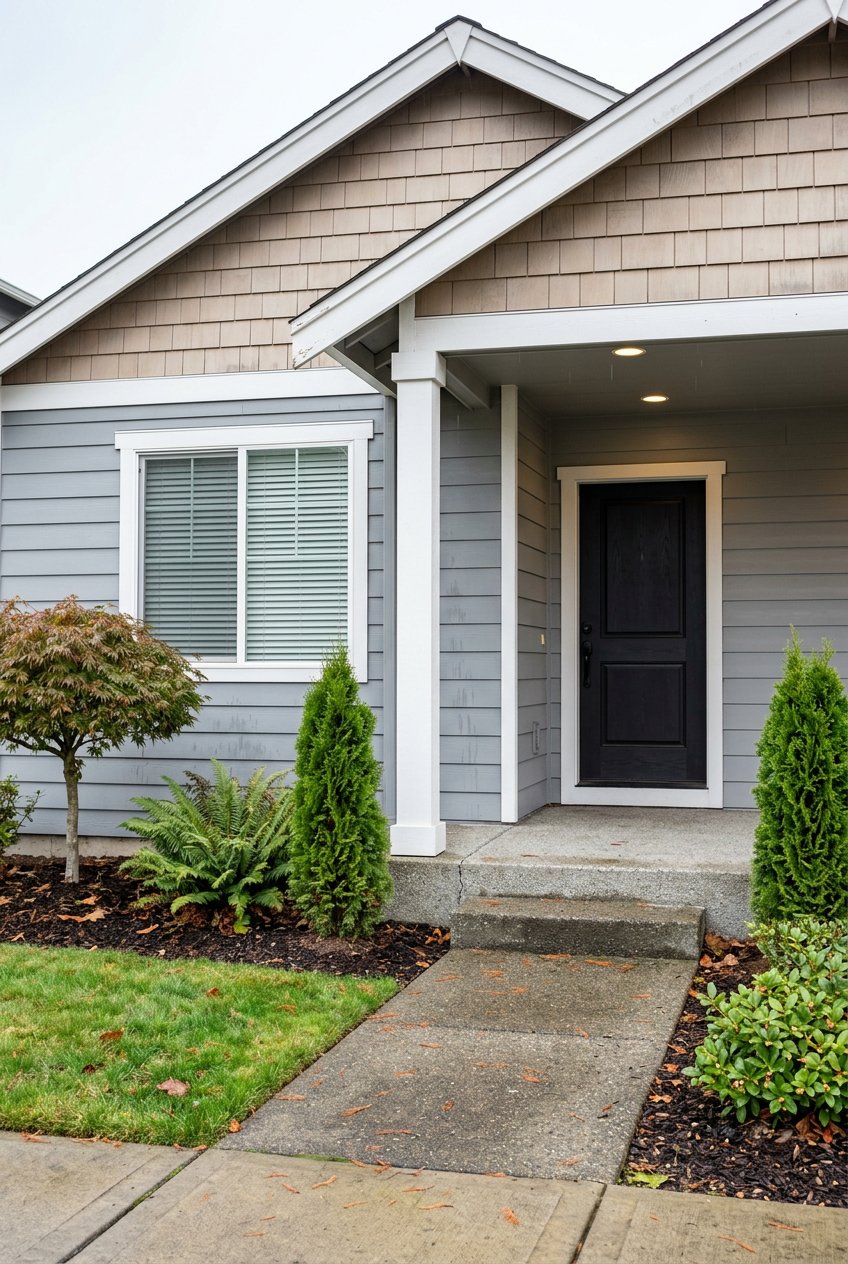
Farther south by Lincoln Park and Fauntleroy, you’ll find single-family streets, small apartments, and easy park access. The takeaway: there isn’t a single “waterfront home type” here. The housing mix shifts block by block, from salt-sprayed condos to classic homes a short walk from the shore.
Everyday rhythm by the water
A typical morning might start with a boardwalk walk along Alki Beach Park, then a coffee while you watch the ferries. At low tide, locals explore tidepools near Constellation Park and Duwamish Head. Timing matters, so plan visits around low tide for the best look at marine life.
If you prefer trees and trails, Lincoln Park’s bluff paths offer a peaceful loop with Puget Sound peeking through the evergreens. Families, runners, and dog walkers share the routes, and Colman Pool draws seasonal laps with a view.
Getting around from the shoreline
The King County Water Taxi links Seacrest in West Seattle to downtown Pier 50 in about 15 minutes. Schedules and frequency change seasonally, and there are free neighborhood shuttles when the boat is operating, so check the official Water Taxi page before you go.
If you’re driving, the West Seattle Bridge is the main link to the rest of the city. Repaired and reopened, it remains a key factor in commute times, especially during peak hours and event days. For updates and maintenance notices, see SDOT’s West Seattle Bridge program page.
Local RapidRide and Metro routes connect neighborhood hubs to downtown and transfer points. Many residents mix modes: walk or bike to the Water Taxi on nice days, drive or bus when schedules or weather change.
Summer crowds, parking, and tips
Sunny weekends can feel like a festival across the shoreline. Parking along Alki Avenue and near popular overlooks is limited and fills fast. Locals often arrive early, use transit, or plan visits for quieter weekday mornings. For a sense of the long-running beach scene and seasonal rhythms, the Seattle Times’ “Alki Adventures” captures that contrast between tranquil mornings and busy afternoons (archived story here).
You can also mark your calendar for community events. The Alki Art Fair brings artists and live music to the promenade each summer. Dates change yearly, so check the official pages for current schedules.
On-the-water recreation and safety
This shoreline is a hub for kayaking and SUP, especially from spring through summer. Rentals, lessons, and guided paddles operate out of Seacrest and Alki, which makes it easy to try the sport without owning gear. For a seasonal snapshot, local coverage highlights openings and tours from Alki-based operators, like this note on kayak and SUP season kickoff.
A few quick tips help you enjoy it safely:
- Check tide and wind before you head out, and plan routes for your skill level.
- Wear a PFD and dress for cold water, even on warm days.
- For tidepool visits, arrive at or just before low tide, watch your step on slippery rocks, and leave creatures where you find them.
Rules, risks, and waterfront realities
Living right on the water can mean coastal tradeoffs: front-row views and direct access along with king tide splash, seawall exposure, or flood insurance considerations. Seattle regulates shoreline work within about 200 feet of major water bodies, including Elliott Bay and Puget Sound. If you are considering a remodel, bulkhead work, a dock, or any project near the water, start with the City’s guidance on shoreline permits and reviews.
Washington agencies also track sea-level rise and increased high-tide and storm-flooding frequency over the coming decades. For context on what high king tides can preview, see the Department of Ecology’s overview of sea-level rise and king tides. Because conditions vary street by street, it is wise to review local maps and talk through elevation and bulkhead details when you evaluate a specific address.
What to pack and expect in each season
The maritime climate here brings mild, wet winters and largely dry, bright summers. Year-round beach walks are common, but Puget Sound water stays cold, so most casual swimming happens in late spring and summer, and many people use wetsuits for comfort. Pack layers and waterproof outerwear most months, then swap to sunscreen and light layers when the sun returns.
Is living near the water right for you?
If you love morning boardwalk walks, quick access to trails, and a front-row seat to summer sunsets, West Seattle’s shoreline may be a great fit. It does ask for some planning: parking strategies on sunny weekends, commute choices that match your schedule, and awareness of shoreline rules for future projects. With the right expectations, you get a daily dose of beach energy and a quiet coastal rhythm on the same peninsula.
Want help narrowing your options near Alki, Lincoln Park, or the hilltop neighborhoods just a short walk from the shore? Reach out to Spruce Home Group for local guidance, tailored searches, and a clear plan from tour to closing.
FAQs
Can you swim at Alki Beach in summer?
- Yes, many people swim in warmer months, but Puget Sound is cold year-round, so some swimmers use wetsuits and most visitors enjoy sunning, strolling, and paddling.
How do you commute downtown from West Seattle’s shore without driving?
- The King County Water Taxi runs about 15 minutes from Seacrest to Pier 50, with seasonal schedules and free local shuttles when in service. Always check the official page before you go.
What’s the difference between Alki and North Admiral for daily life?
- Alki centers on the beach promenade and seasonal crowds, while North Admiral offers a historic village core and residential streets up the hill with quick access to services.
How busy does Alki get on sunny weekends?
- Very. Parking is limited and the boardwalk fills up. Go early, consider transit or biking, and plan visits for weekdays if you prefer a quieter scene.
Are there special rules for remodeling a waterfront home in Seattle?
- Yes. Shoreline projects often require permits or reviews under Seattle’s Shoreline Master Program, so start with the City’s shoreline permit guidance and plan ahead.