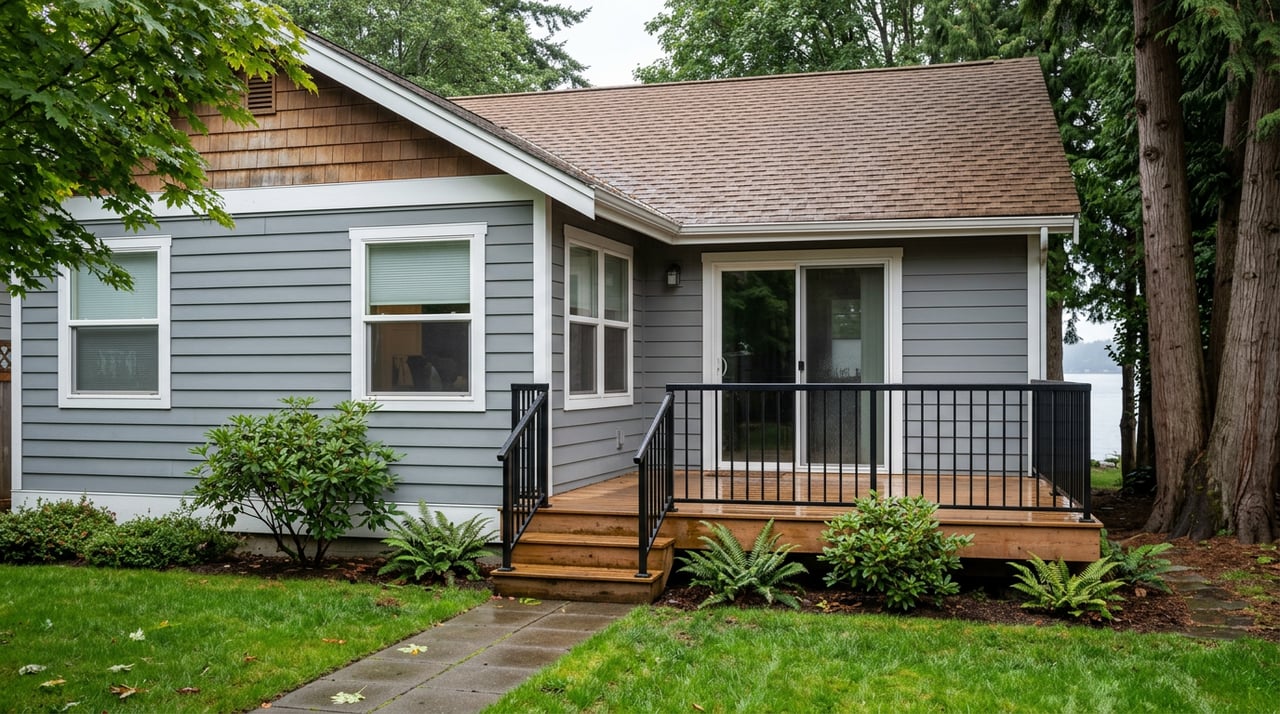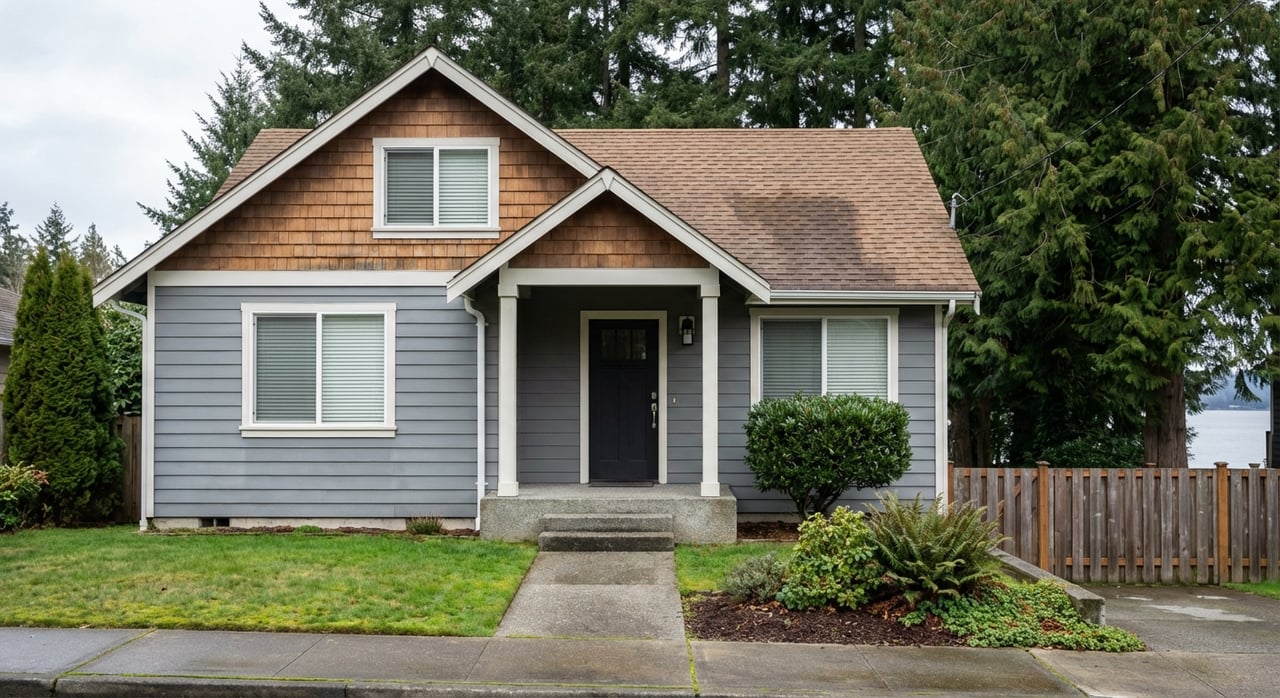
Is your Seattle starter home feeling tight, but you’re not sure how to turn your built-up equity into the next right move? You’re not alone. Many local homeowners are weighing space, commute, and costs as prices and rates shift. In this guide, you’ll learn how to calculate your net proceeds, convert equity into buying power, compare financing paths, and map a smooth timeline that fits the Seattle area market. Let’s dive in.
Know your equity and net proceeds
Your equity is the current market value of your home minus your mortgage and any liens. What you can actually use for your next purchase is your net proceeds after selling and moving costs.
Follow this quick process:
- Get a current market value estimate using a comparative market analysis.
- Subtract your mortgage payoff and any other liens.
- Estimate seller-side costs: commissions, escrow and title fees, and any pre-sale prep like minor repairs or staging.
- Budget for moving costs and a small cash reserve.
Conceptually: Net proceeds = Market value − mortgage payoff(s) − seller costs − repairs and moving.
Ask your agent for a custom net-proceeds worksheet so you can see a realistic range and avoid surprises.
Turn equity into buying power
Once you estimate net proceeds, decide how much you want to apply as a down payment on your next home. Your down payment size influences mortgage insurance, interest rate options, and how competitive your offer can be.
Use this simple framework:
- Choose a target down payment percentage you’re comfortable with.
- Back into a price range by dividing your available down payment by that percentage.
- Keep a cushion for inspections, appraisal gaps, or quick repairs in the new home.
In high-cost markets like Seattle and the Eastside, larger purchases may require jumbo loan products with different underwriting rules. Your lender can model conventional vs. jumbo scenarios so you understand how your down payment choices affect rates and approvals.
Model your new monthly payment
A bigger home usually means a bigger monthly payment, and sometimes higher taxes or HOA dues. Build a side-by-side comparison so you know what to expect.
Include these items:
- Principal and interest based on price, down payment, rate, and term.
- Property taxes for the neighborhood you’re considering.
- Homeowners insurance and, if applicable, flood or earthquake coverage.
- HOA dues for condos or planned communities, if any.
- Mortgage insurance if your down payment is under 20%.
Run a few rate scenarios and terms to see how a small change impacts affordability. A good lender will help you test interest rate variations and compare 30-year vs. 15-year options so you can choose the payment that fits your lifestyle.
Seattle vs. nearby suburbs: key trade-offs
As you scale up, you might compare larger homes in-city with options in suburbs across the Eastside or South King County. Space, commute, and amenities often balance differently across these areas.
Consider these factors:
- Price per square foot and lot size. You may find more yard and interior space for the same budget outside denser neighborhoods.
- Commute and daily life. Balance drive times with remote or hybrid work policies. Transit and walkability vary by neighborhood.
- Services and amenities. Compare parks, retail, and recreation that matter to you.
- Resale and demand. Supply and demand can differ by area and home type. Ask for neighborhood-level comps to plan your exit strategy.
- Total cost of ownership. Larger homes can mean more maintenance, utilities, and yard care. Some communities also have HOAs with monthly dues.
Keep your search flexible. Many Seattle move-up buyers find the best fit by keeping an open radius while staying anchored to the routines that matter most.
Choose your path: sell first or buy first
There isn’t one “right” sequence. The best approach depends on your financing strength, risk tolerance, and timing.
Sell first, then buy:
- Pros: Converts equity to cash, simplifies financing, reduces the risk of carrying two mortgages.
- Cons: You may need temporary housing or a rent-back while you shop.
Buy first, then sell:
- Pros: You can secure the right property before listing, which reduces disruption.
- Cons: You must qualify while carrying your current mortgage and may face short-term carrying costs if your sale takes longer.
If you buy before selling, discuss a rent-back option for your buyer. That can give you time to close on your next home and move without rushing.
Financing tools to bridge the gap
Your lender can recommend options tailored to your equity, income, and timeline. Common paths for move-up buyers include:
- Bridge loan. Short-term financing that uses your current home’s equity for your next down payment while you sell.
- HELOC. A line of credit secured by your current home that can provide funds for your next purchase. Availability depends on your loan-to-value ratio and lender rules.
- Cash-out refinance. Accesses equity before selling, though it changes your current mortgage and could reduce net proceeds later.
- Assumable loans. Some VA and FHA loans may be assumable with approval, but this option is not widely available on conventional loans.
In a high-cost market, many move-up buyers also consider jumbo products. Underwriting, reserve requirements, and pricing can differ, so ask your lender for multiple loan scenarios before you commit.
Make your offer competitive with smart contingencies
If the home you want attracts multiple offers, certain terms can strengthen your position even if you need to coordinate a sale.
Options to discuss:
- Shorter contingency timelines with clear milestones.
- Bridge financing to avoid a home-sale contingency.
- Rent-back agreements to give sellers time to move.
Each option carries trade-offs. Your agent and lender can align these terms with your cash on hand, risk tolerance, and target closing dates.
Taxes and legal items to keep in mind
Taxes can affect your net proceeds and the cost to carry your new home.
- Primary residence exclusion. Many sellers may qualify for a federal capital gains exclusion if they meet the ownership and use tests. Consult a tax professional for your situation.
- Property taxes. Assessed values and local levies vary and may change after purchase. Review current assessments for neighborhoods you’re considering.
- Investment property plans. If you are thinking about converting your current home to a rental, talk with a CPA about the implications. A 1031 exchange applies to investment properties, not your primary residence.
Washington does not have a state income tax, but you should still verify any local tax updates that may affect your decision.
Your simple move-up timeline
Use this high-level plan to keep decisions clear and stress low.
30 to 60-plus days before listing:
- Meet with an agent for a pricing strategy and neighborhood comps.
- Request a mortgage payoff statement and verify any liens.
- Get pre-approved with a lender and review conventional, jumbo, bridge, and HELOC options.
2 to 6 weeks before listing:
- Tackle pre-list repairs, light updates, and staging.
- Finalize list price and marketing plan.
Listing to contract:
- Showings begin and feedback informs fine-tuning.
- Prepare to negotiate terms that align with your buy-side plan.
Contract to close, typically 30 to 45 days:
- Complete inspections, appraisal, underwriting, and closing logistics.
- If buying first, execute your bridge plan. If selling first, arrange temporary housing or a rent-back to ease the transition.
Build your Seattle move-up team
Surround yourself with experienced local pros who understand Seattle neighborhoods and the wider metro.
- Local real estate agent with move-up experience across Seattle, the Eastside, and South King County.
- Mortgage lender skilled with jumbo and bridge products who can run scenario modeling.
- CPA or tax advisor to review capital gains and property tax impacts.
- Home inspector and contractors for pre-list advice and quick-turn repairs.
- Title and escrow professionals for a smooth close on both transactions.
Pre-list checklist for sellers
Use this quick list as you prepare to list and move up:
- Comparative market analysis and a current market value estimate.
- Mortgage payoff statement and lien verification.
- Estimated seller closing costs and a net sheet.
- Budget and plan for repairs, staging, landscaping, and any permits.
- Set your list price strategy and timeline flexibility.
Quick glossary
- Equity: Your home’s market value minus what you owe and any liens.
- Net proceeds: Cash you take from your sale after paying loans, costs, and moving.
- HELOC: A line of credit secured by your current home.
- Bridge loan: Short-term financing that uses your current home’s equity until you sell.
- Jumbo loan: A mortgage above certain loan-size limits with different underwriting rules.
- Assumable mortgage: A loan a new buyer may take over, more common with some VA or FHA loans.
- DTI: Debt-to-income ratio used by lenders to gauge affordability.
Ready to make your equity work harder?
If you’re thinking about more space, a different layout, or a new neighborhood, a clear plan makes all the difference. You can map your net proceeds, test financing paths, and time your sell-and-buy so your life keeps moving without unnecessary stress. When you’re ready, our local team will help you weigh Seattle versus nearby suburbs, build a competitive offer strategy, and manage both transactions from prep to keys in hand.
Start by getting a data-backed estimate of your home’s value and a custom move-up plan tailored to your goals. Reach out to the husband-and-wife team at Spruce Home Group to get started today.
FAQs
How much equity do I need to move up in Seattle?
- There’s no fixed number; estimate your net proceeds after selling costs, then decide the down payment you want for your next home and build scenarios with a lender.
Should I sell first or buy first in a competitive market?
- Selling first simplifies financing and risk, while buying first secures your next home; your choice depends on qualifications, cash on hand, and timing.
Can I avoid capital gains tax when selling my Seattle home?
- You may qualify for a federal primary residence exclusion if you meet ownership and use tests; consult a tax professional for your specifics.
What costs should I expect when selling in Seattle?
- Plan for commissions, escrow and title fees, and pre-sale prep like repairs and staging; ask your agent for an exact net sheet.
Are assumable loans a realistic option for my move-up?
- Some VA and FHA loans may be assumable with approval, but most conventional loans are not; availability is limited and case-specific.